

User-centered design learning.
5 pillars that underpin the way we work and develop our ideas to reach our full potential

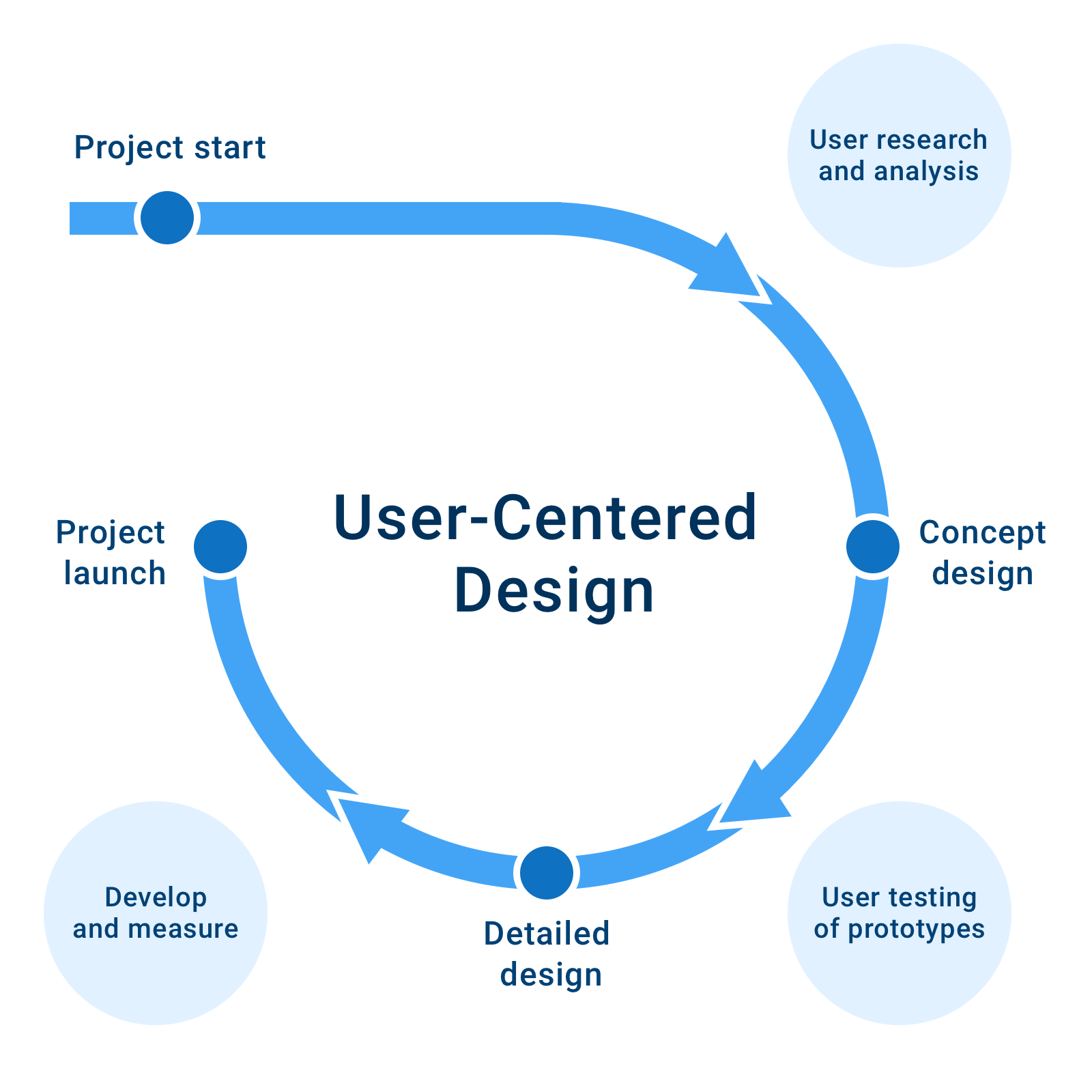
‘User-centered design learning is an approach to design education and practice that focuses on understanding the needs and preferences of users.
This approach prioritises the end user throughout the development process, from research and ideation to prototyping and testing.’
The goal of user-centered design learning is to create products and services that are useful, usable, and desirable for the intended audience. This approach emphasizes the importance of empathy and understanding the needs of users, as well as the iterative nature of the design process.
User-centered design learning typically involves the following steps:
Research: Conducting research to understand the needs, behaviors, and preferences of the target audience.
Ideation: Generating ideas and concepts that address the user's needs and preferences.
Prototyping: Creating low-fidelity and high-fidelity prototypes to test and refine the design.
Testing: Testing the prototype with users to identify areas for improvement and iteratively refining the design.
Throughout the design process, user-centered design learning emphasizes collaboration and interdisciplinary approaches, drawing on insights and expertise from various fields such as psychology, anthropology, and human-computer interaction.
By prioritizing the user throughout the design process, user-centered design learning can help create products and services that better meet the needs and preferences of users, leading to increased user satisfaction and success of the product or service.