The art buying insider
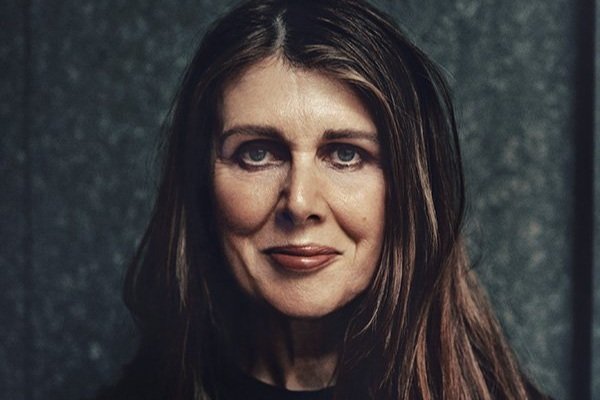
with Jacqui Dixon
Listen to Jacqui’s key insights on how to cut through the noise and land commissions
5 core takeaway messages from our conversation with Jacqui:
Personal Work is Crucial - Jacqui emphasises that she always looks at personal work first when reviewing a photographer’s portfolio, as it reflects passion, vision and creative authenticity. Printed portfolios are preferred in meetings because they allow a tangible, emotional connection with the work and show commitment to craft.
Relationships Matter, but so Does Professionalism - Building trust with art buyers and producers requires emotional stability, reliability on set and consistent, high-quality communication. Jacqui values creatives who are unflappable and solutions-oriented, especially when navigating the complex dynamics of shoots and client expectations.
Follow-Up and Persistence are Essential - Reaching out cold is welcomed, what matters is a personalised approach and respectful follow-up. Jacqui encouraged photographers to keep nudging (politely), never take silence personally and understand that persistence demonstrates professionalism, not annoyance.
Niche and Evolution Must be Balanced - Having a niche helps you stand out, but creatives must continually evolve to avoid being left behind. Fads shift quickly in advertising and editorial photography, and those who test, grow and adapt will stay relevant and commissionable.
Community, Support and Presentation Are Vital - Isolation is a major challenge for creatives. Jacqui and Emma urged photographers to lean on their peers, test regularly and support one another. In-person meetings, narrative-driven portfolios and small, thoughtful mailers or newsletters help reinforce presence in the minds of commissioners.
Full transcript
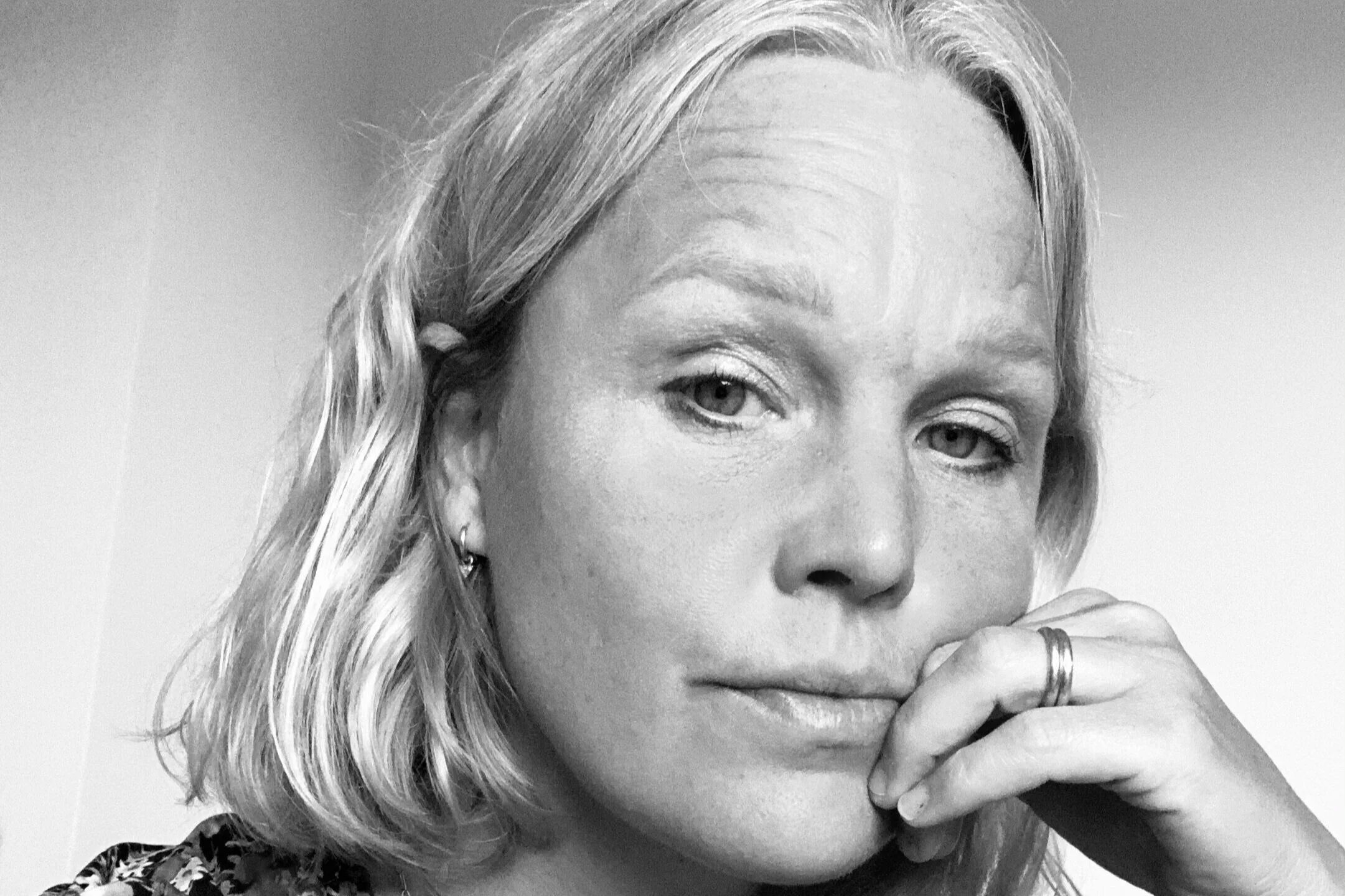
Emma Alexander
I am really, really grateful to have the fabulous Jacqui Dixon with us this morning. Jacqui is an art buyer and a producer with an explosively impressive CV, having worked in pretty much all of the top major ad agencies across London, like Saatchi's and tvwa and McCann's and MNC Saatchi and over six years of as Head of Production at Hogarth, which is amazing. And during that time, I think it's fair to say, you've probably seen 1000s of portfolios and commissioned millions of pounds in budget, which is no small feat. So Jacqui is an absolute font of knowledge, and I'm incredibly grateful that you've taken the time to join us today. So, Jacqui, welcome.
Jacqui Dixon
Thank you very much for asking me. And hello to all.
Emma Alexander
So to kick off, Jacqui, you've been an art buyer, working in advertising agencies for pretty much most of your career. But just for context, can you very briefly explain what an art buyer is and what part they play in the commissioning process?
Jacqui Dixon
Yes. So an art buyer always thought it was the oddest title, because you never touch art as such. But you are the conduit, really, between the creative department, the people who are having the ideas in an agency, and the outside world. So you're the person that's expected to have a finger on the pulse. No photographers or who to recommend for any brief or any job coming up. Have people up your sleeve for jobs where there are no money. Think of great people all over the world when there's lots of money. So you're expected to be as relevant and as involved with the outside photographic world and illustrative world, of course, because we're not talking about illustration today, but you're expected to keep a finger on the pulse of what's going on. That's that's art buying, in general, within budget. Yes, of course, always within a budget. But you are expected to know exactly who's out there and who can do this the best.
Emma Alexander
That's perfect. And can you explain the sort of the process of how art buyers search for their creators. How do you find the people that make your I'm guessing the long list and the short list, and then eventually, the the final, the final, kind of three, hopefully triple, bidding. And how do you find new creatives?
Jacqui Dixon
So I can only tell you about how I work. I've worked alongside other art buyers that do it wholly different, differently to me, but for me, whilst at Hogarth, and still actually outside of Hogarth, I'll try and see a few photographers a week. When I was in Hogarth, I saw up to three photographers a week, every week, like people to come in with a printed portfolio if they've got a laptop or a iPad, fine, but I like to sit with people and get a measure of what they're like, what their capabilities are, their temperament, because that, for me, is a better summing up tool of the character and knowing and thinking about them. For each particular job, I need to know there's 1000 photographers out there for every brief I get a sense of who they are and what they can handle and what sort of clients would be nice and what art directors would love them, and they'd all get on with when I sit with them for half an hour or an hour and either have a coffee and talk through their life and their printed portfolio,
Emma Alexander
that's Really interesting. I think you're right, as an ex agency art buyer as well, that that idea of having that one to one is really, really important, because you need to know sort of who you're bringing on set and have have confidence in them, but also that they're not going to their butt heads, or they're going to gel with the rest of the team and the clients.
Jacqui Dixon
But bear in mind, you're talking to me about the way that I work, the way I like to do things. I'm a people person, so I like to get a sense of who people are. Then you talk to me about how we end up with that long lists, getting down, whittling down to the triple bid. There's always a triple bid in an agency, a big agency with procurement, and I start with a long list. Depends on the agency, how fussy they are. I can put together 1012, people. There's some agencies I work with that always push me and push me and they don't like or we want to go in a different direction. They've changed their mind. And I can be sending up to 30, which is unheard of back in the day, I would have shared about six photographers, and we'd have cracked it maximum. Now I share about 10 to 15, and I rely on the agency to come back to me with three that they like. Then we ask three ridiculously to treat, because I think treatments are fairly ridiculous compared to a director doing a treatment. I understand the need for a director doing a treatment, but a photographer doing a treatment is literally quite a lot of padding. You know, this is how I see it. I'm going to light it like this. This is my team. This is my fashion stylist. I'd like to work with that model, and can we shoot it in that location? And they put it together in a small deck or presentation, and that constitutes a treatment. It feels like it feels like padding to me, but it's something that's evolved, and I we all play along with it, so understand that. And then, out of that process of three people, between my knowledge of the photographer, the agent, plays a part. If I'm getting a run around from anybody, if anybody's being a bit tricky or difficult or super expensive when they know there isn't the money there for whatever reason, I'll try and pour cold water on it and but reserve judgment until we see the results of the treatments, and then I will try and say to the agency, I really think this is the person for you. This this is a girl for you. This is a guy for you. Or, look, you know, this is, might be the cheapest person, but this was the best treatment. So, you know, I can have a steer on it, but ultimately it will always, it'll be between the client and the agency to fight it out. That's how I get to a triple bid through a triple bid situation, a process of whittling down.
Emma Alexander
Yeah, so I imagine by the time you actually get to sending a brief out, which is this triple bid, you've done a fair amount of digging around the people online. You either met them in person. You know of them. Do you? Do you like to have a wild card in there? I know I used to like to go. Here's your safe pair of hands. Here's your whatever, your gold, silver, bronze. And here's a cheeky little number you may have never seen before. Do you do that? Is that something you quite like to put someone like you or emerging creatives out there? Perhaps
Jacqui Dixon
I tend to have no safe pairs of hands in there. Tend to have only the left of centers or the youngsters, or somebody quite different, somebody that you haven't thought of. I tend to only have those people in there, the people that I come away from every single shoot without sale, with an assistant or two at my sleeve. And I keep in touch with those. I've got books of them, literally got names coming out of my ear, of people that I gather and I spend time with and I monitor how they're developing, and I carry them through onto jobs in my head with me. So I take my, you know, I never, I never come off a shoot and say, Oh, we shot that shoot. Shoot with him. Let's take that forward and put them forward to the next job. But there may be but the experience of the assistant and the whole team, there may be someone there that I'll try and take with me, because there's something you know that stood out. But no, I'm not. I'm not a person who ever gives jobs to mates. I've had photographer friends for 40 years who've never had a job of me. I'm not. I think of new people for every single job, and that's how I like to start so from completely from scratch. Yeah,
Emma Alexander
every job is unique. Every brief is unique, even if it's the same, you know, absolutely the same. Clients, fantastic. And I know I said before about you, you do a bit of digging around online. What sort of channels do you use to to find new people then,
Jacqui Dixon
well, a lot of people find me, which is great. There's a world of people that find me on LinkedIn, which I try my best to keep up with every channel that gets to me. And if somebody comes at me directly, I'll have a quick sift through their work. If they're worth if it's reasonable, it's worth it. I'll go and sit and have a coffee and give an hour and through if somebody needs a total overhaul of their book. What I think my you know, what I think they should do with this shot that shot, what order they should be in if they need attention? I can't. That's why I've come to you, Emma, to bring the things alive on wiser use that platform for that, because my time just gets taken up with everybody. So a lot of people find me, but I naturally just keep up with people. And I'm just interested this job has been my job and my life for a long time. So tragically, it's my life I keep up with. You know, my friends are people like this. So I keep up with a lot of people, and I try and stay as relevant as I can. I speak to photographers and see photographers in the States. When they're in London, they come see me. I see people and keep up. When I was at Hogarth, I shot one week a month in Paris. So that took me in a direction of having to find photographers in Paris, especially the luxury beauty, end of guy. Of those guys and that world, there's not so much that's not so heavy in London. We have younger, more Maverick, slightly gritty, edgier people, maybe in London, great technicians. Paris is a different world. They move in the luxury beauty, end of things. So I had to really up my game in Europe. So I moved in that direction for quite a while. So I look everywhere, because the world's so connected. I can put French people in the mix. I put stateside people in the mix for jobs and clients. Are everywhere. So anybody can travel from anywhere to anywhere. So I think I carry around an awful lot of my in my head, of people in my head, and I write everything down. I'm an old school book person, so everyone's in book format and down from every shoot I've ever done. So yeah, that's how I will do a bit of research. But generally it's a mixture of all of those things,
Emma Alexander
and how, how important then do you think it is to have is to have a really strong niche or a specialism, you know, to be sticking in your mind. Is it the person, the flavor, the kind of their their personality, or do you think it's really important to have a, you know, stand out niche or specialism that you can hook onto your name.
Jacqui Dixon
I those that know me, that are in this call will tell me, can repeat back what I say to everybody, show me the stuff you love doing, because it's always your strongest. So it doesn't really matter if you are in a niche, as long as it's evident that it's strong, because you love doing what you do. You do it so well because it's your strength, and you actually love doing that. If you're if anything that's put in there for tokenism, or just to show I can do a still life, or I can do a cup and saucer, it just, yeah, that floats on over me, really, that's, that's, that's not going to hit with anybody but niche. Should people be niche up to a point? Because you'll get left behind. And I'm finding what I'm saying more and more to people now, if they are niche, I see certain photographers that have developed since leaving Art College. They've developed a style, great, beautiful style. It's gotten them so far, but they need to evolve. If they don't keep evolving and take this on a little bit further, they'll get left behind. There'll be a curve, because things are so fatty and you know, the, I think the current crazes of food porn, food still life, the glary, gory, gaudy, food approach. Used to be Martin pastile. That's kind of going out fashion. No. So I if people don't evolve and find a way of taking what they love doing forward and keep testing, they'll get left behind. That's it.
Emma Alexander
I talk a lot about joy as well. I think that's really important in what you do, having the joy to underpin your work, because it just, it just shines through. And I think that's also for me, anyway, why I love to see personal work. I'm bang on about this all the time as well, but why I think personal work is so important? Because when you do meet someone and talk about it, they physically, visibly light up when they talk about the personal work, because there's so much more vested in it. It's usually something personal or something that's piqued their interest, that's driven them to go out and do it. And you can see that just it's so much more exciting than just a commission from you know, BA or the John Lewis ad, which is amazing, but coming from here,
Jacqui Dixon
nice to have. And again, those that know me will know that I always look for personal work first. If I look online and research anybody, the first page I look for is their personal work. It's always the best stuff. It's always the most beautiful stuff. Photographers think that I want to see ads. I don't need to see any ads, because I know that they get your shots get ruined by agencies. If you must pay, if you must put a page or two in at the end to show me what they've done with it, then that's fine, but it's got to be on the back pages. I'm not really interested. Art directors like to see ads. I don't, so I need to see that you can shoot what's required of you. And you know, ultimately, in the business of advertising, you're selling a product. So it doesn't matter how fantastically loose you are with your landscapes or beautiful people relaxed having a great time. Fashion studio, it doesn't matter what your style is or what you're shooting. Somewhere in there, you'll need to be flogging a product that could be a clothes on a body, or that could be a cup and a glass of alcohol or whatever, or a tin of beans or something in the foreground. Ultimately, that client will want to see how you're going to make their product look. So it doesn't matter if it's a book full of portraits, I still need to see the odd bit of still life in there, and I don't want people to shy from that, but that can be as simple as breaking your portraits up with the odd incidental shots. I'm a big fan of incidentals, little sort of detail shots, a close up of light on a table with a candle or just an object or something. It breaks the portfolio up. It shows me that you can actually light a still life if it needs to be done, because there's a product in the brief. So, yeah, technical nurse needs to be displayed, obviously, for a client and an agency. But personally, I always look for personal work first, because I can see from that what you love doing
Emma Alexander
that's really, that's really, really good to hear. I think, because I still get questions about that, should I be putting this in? And for me, it's a resounding yes, but it's so good to hear it. And I love that point about incidentals as well. It's almost like, you know, your book should tell a story, and that helps to build the picture. So it's not just portrait, portrait, portrait, portrait, portrait, portrait, actually having these little details, and that's what clients are looking for, I think, now, as well with delivering usually bigger bodies of work that aren't always just product product, if the client had that way, product product product. But there is that narrative storytelling through so much of advertising these days that, yeah, the little details really help sort of lift lift that offering. And I know people often talk about developing relationships with art buyers, with producers, with clients, and that's all very well and said, but how do you how do you do that? How do you actually get the attention of people like you within agencies or creative directors or brands or the decision makers, how do you actually kind of start building out those relationships?
Jacqui Dixon
All photographers should be approaching magazines, because that's the best calling card anyway. I know they pay nothing, and I know that a lot of the time you're financing a shoot for an editorial, a good editorial, but you if you can get one decent big ad job a year, one or two big ad jobs a year, and finance some decent editorial, you've got to be going out there and getting that off your own back. It's really hard to get into the right magazines, but once you're in there, you're in there as photographers on this call, I know who do a lot of editorials, so they'll know all about that, but getting networking is really hard, and I found this at AOP events. I find me easy to get hold of. I think I'm quite easy to approach. And as I've said, if I have a quick look and you work halfway decent, I'll spare you some of my time. But I have been at events myself and listened to other people who do what I do in agencies, good agencies that don't see any portfolios. They'll only allow people to drop books off. They don't spend any time with photographers. So so I don't for me, they're not doing their job. They're not getting a sense of they're only getting half a picture of book of pictures, they're not getting a sense of the person, the character, the temperament, and what they bring to a shoot, because regardless of their book, they're bringing their character, they're bringing their energy, they're bringing their vibe, but they're bringing their vision to a shoot. That's huge. That's why I like to see it in some in someone. So I think I'm pretty accessible, so I can't speak for others, but I'm very surprised at others when I look around, because again, from those who know me, they'll know that I do Excel the virtues of having a printed portfolio. I think it's really important. It is important that's your piece of art that exists as your body of work, and you're an artist. But there are other agencies that don't give a monkey's and they do, literally just look for photographers. They'll either speak to their mates who know someone, or they'll look for everybody online. I find that incomprehensible, but you're talking to me about the way that I see things and the way I do things. So
Emma Alexander
So emailing, out, cold calling, just trying to get in front of those people. Yeah, and asking for meetings. I mean,
Jacqui Dixon
yes, yes, why not? I mean, agents. Some agents can do it. A lot of photographers get by without agents. They don't need an agent. They get hampered by having an agent. Yeah, there are so quite a lot of photographers that do everything through their agents, and those agents have the relationships already with good agencies. So you know, it depends on your style of work and what direction you want to go in, but if you need a lot of backup, you need help with quotes and so forth, and getting your portfolio out there, it may be you need to go through an agent to get
Emma Alexander
and I know, you know, we're all everybody's very busy, certainly in agencies, everyone's phenomenally busy and overworked. But what in an email would stand out to you, if so you know, if you were back at Hogarth, what would it be that would stand out for you and take notice.
Jacqui Dixon
Well, even now, what? Regardless of Hogarth, what's just something about the wording, Hi, I've made, I've made some effort to find out who you are. I know what you do, personalized. Yes, personal is, Hi, I'm so you either know me because I was on a job or with someone else, or I know you and I know of you. So that tells me that you've done some work. You know, you know, I'm not a well known person, but, but if you're doing what you do, you would know me. So it tells me that you've done some research. And then I'm going to look at the link. First and foremost, as I said, if it's halfway decent, I'll spend some time and have a chat through if there are people that I've seen I've known a long time, and they almost need a whole total overhaul of the portfolio, and I can't give them that much time. So that's when my head isn't in my hands, because I can't, I can't give that much time to them, but, yeah, there's just something about the personality that speaks to me in the wording, something that jumps out at me. It isn't a formula. There's not a recipe to it, but something speaks to me in the email. I think,
Emma Alexander
do you suggest email link, or is it PDF attachment? What do you prefer?
Jacqui Dixon
Oh, either or, as long as I can open it easily, either or.
Emma Alexander
And this is a question we have from flora. Thank you, Flora. Any tips on effective or interesting subject lines to get you to open it when you are really pushed,
Jacqui Dixon
I would open it anyway. I'd be honest. Anybody will tell you kind Jacqui, I am kind Hey, opening it. I would open it. It it may take me a day or two. I may open it and think, right, okay, I'll come back to that, and I'll write things down. And there's a little list of people I need to come back to, and pretty like that. It may take me a while. Somebody may need to prompt me in a week or two, and I'll write and to get back to that person. But I do generally reply to most people. Nothing in the subject line jumps out at me. Nothing, as I say, it's a personal it's, it's the little person that seems to jump out at me more than a big name. What will always jump out at me is someone I know who says, Listen, I've got, if it's a big agent, I've got so and so in town next week. Can you see them? I think that's always worth making time for someone to hear from Italy or someone to hear from the States. Always make some time from there for them, because that's important. No, but it's a sense of the personal touch for me, that's what wakes me up.
Emma Alexander
And then you've touched on a really good thing there about the follow up. Give me the nudge. I think it bears repeating that we, you know, we do all have things going on. We've got big jobs on or and then we have periods of of quiet. How important is the follow up? I just want to hear you say
Jacqui Dixon
it. It's really important. And I sometimes I have to, when I'm busy. You rely on them following you
Emma Alexander
up. You do. And I think if you want something, you you will, you will go and do that. I think there's definitely a confidence thing. I often talk about value. You know, you're presenting something of value. You're sharing something of value. Yeah.
Jacqui Dixon
And this last 12 months, since leaving Hogarth, I set up on my own, so I now have not that I didn't have a clue before how it was for people on the outside trying to get into people like me. I'm never that lofty. I'm not like having said that I have a new found appreciation in the last 12 months, because I'm tapping on doors myself. So I'm in a position of wanting so I know that I need to keep nudging people. And we've talked about this earlier, Emma, I'm in a position of wanting I understand that I have to do the tapping on doors, and I'll keep going, and I will keep reminding people, if I have to, I'm very uncomfortable with it, so I get it, I know it, but you must do the same for me. And it's not there is never, personalize it. It's never, ever, ever, I can't I'm bothering. It's about your work. And if your work is really good, it needs to be under my nose, and I need to see it. So keep on, keeping on. You know, you've got to because this is niggling people. Sending emails is not niggling people,
Emma Alexander
absolutely. How many times would you follow up with an email? What's your what's your limit? What's your process for that? Well,
Jacqui Dixon
somebody in a production company said to me six months ago, oh, my God, where have you been? We really need your services. Amazing. Can you can you remind me what you do every week? Every week or two, I have to email them to say I'm still here. I'm still here. I still do what I did. Do you need anybody that can? I can find you people for stills. Still haven't given me a job, and my prompting them has calmed down a little bit and slowed down, but I still, I maybe sent it two weeks ago, the last one, and this has been going on since October. So I have to do it. I have to do it too. But you know, what can I What can I say? It's not ideal, but I also understand, because I've been on the inside, people get busy, so don't personalize it. Don't ever personalize it. If you're being uh, persistent to an irritating point, I would say I'm really sorry. It's not a good time right now, in a couple of weeks. Give me a couple of weeks to get past this blip, and I'll be with you, or, you know, I'll explain more, but Right? And it depends on people's tone. It's such a personal thing that you can't give a formula for if someone's being decent about it. So, I mean, you'll give them the space and time. So recently on LinkedIn, an illustrator has been messaging me, or I think he runs an illustration agency wants me to see some books. I've had a lot going on in the last couple of months, I've been moving house. I'll be moving house again soon. So I've had all this going. So I keep saying I can't do it now, but I'll speak to you when I've moved house. The next email follow up from him was along the lines of, have we done something wrong? You haven't come back to me. And I thought, I didn't say any of that, and that's not what I said. And that will put a put you back up a little bit. So it's relations. It's how do you handle people? That's not going to make me go, Oh my God. You know, I'm so sorry. When can I see your work? It's going to make me resistant to seeing him. You can't personally personalize anything. Joe Rodriguez, by the way, it's about you. It's about them and how busy they are in house. So always remember that. And if you're in the position of wanting you've got to keep chasing.
Emma Alexander
Yeah, I think it's really difficult. I know I often say that one of the biggest challenges we face as creatives is isolation. And I think when you're putting stuff out and it's tumbleweeds coming back, it can feel really incredibly disheartening, you know, incredibly derailing. But at the same time, you know, remembering that you're you have something of value, you know, you have something that's incredible, that needs to be shared, and it's very difficult to dig deep and keep going, but we need it, although, to your point, I also think we probably understand both, you know, you and I, because I have to do the pitch as well, the power of positivity. And when you do get someone who says, Thank you, thank you for showing us. This is really beautiful, how much it makes you, you know, feel so actually, we can do that for each other. You know, it's not just photographers pitching out to clients. Photographers can, you know, we have peer to peer going on Instagram or LinkedIn and saying, that's a really beautiful shoot, supporting each other. I think that's really what we all need. Because so often what we do is in silos, right? We're working in silos, on our own, in our lounges, or, you know, maybe in a lovely studio, if you feel lucky. But you know, ultimately, lot of the day to day is on our own. And I think we need community more than ever to be really, you know, supporting us because it is. It's incredibly tough and it's incredibly hard, hitting on your, you know, on your mindset. So
Jacqui Dixon
don't be an island. You're creators. You work better with fellow creators. You will have teams on set that you like to have around you. So test with these people. Think of yourself as part of a, you know, a network that it takes a village to create something sometimes, unless you literally are, and I don't want to say cut off or shut off from the rest of the world, and you're that sort of on the spectrum that you don't need anybody else and you want there are people that are quite happy, and dare I say, maybe some still life photographers fall a bit more into this category. They're quite solo, they're quite alone, they're quite to be they're tech, more technical, and aren't as easy around some people, maybe than a fashion photographer. That's a complete cliche, but I know you mean, yeah, but you know, none of us are islands. We will we will need people. We all need a team around us, even the most focused, meticulous, technical, still life person,
Emma Alexander
yes, community over competition. Reach out to people in the same area as you and, yeah, foster connections. I think it's
Jacqui Dixon
your mates around you that will, that will bolster you when isn't coming in and speaking to your mates. Yeah, the you know, that's why gatherings at the AOP, or this kind of gathering is really helpful, because people can see I'm not alone with this. Absolutely I talked to enough photographers, especially over the last year, I got made redundant, at a time when photographically, the world felt like it had collapsed, absolutely collapsed. I couldn't find anybody working. I found photographers. I was seeing photographers every week that had their heads in their hands. Very few made it through last year, and they're still going this year with loads of work on the horizon that I know. Personally, it's been a long roller coaster year. Yeah, absolutely awful. 1214, months. So you need to be testing community is everything right now, contemporaries, yeah,
Emma Alexander
and just going back to the ad agencies then for a minute and actually getting those meetings. What kind of marketing does cut through? I remember when you know, coming in with breakfast at donuts was a thing, and it was like art. It will do a breakfast meeting with, is that gone? It feels very, you know, 2010 to me, yeah,
Jacqui Dixon
I never really jumped on that bandwagon. It felt like a production, production company, carrier agents, yeah, you're right. Production companies as well come in and they want to show the see a whole TV department showing sitting there, showing reels. It started with that kind of group of people, and then it just became agents trying to bring in cross town donuts. And everybody loves a donut now and again. But you haven't got to bring in stuff to get, you know. And there I've heard stories, horror stories over the years of art directors won't come down unless there's breakfast laid on rough. That's really rough, but, but there are some agents now that we'll put on breakfast mornings. They'll take a room over at the Groucho or somewhere or Soho House and fill it with loads of creatives and just put on loads of sandwiches or something. And so that's different. But having to bring stuff in shouldn't, should never be a thing.
Emma Alexander
Are there any marketing tactics that have stood up for you, though, that in maybe individuals have done, whether it was bringing in things or just the way they're presenting themselves? Any little sort of tips or tricks that stuck in your mind
Jacqui Dixon
just the way they present themselves? I i I met my MO. I still call him my most favorite photographer ever. Came to see me, a really quiet, understated, shy person. Came to see me from the States. He's English and lives in the States, and had the most amazing portfolio I could never give him a job. He's a completely fine art, beautiful I think he does a lot for COVID Nurse, traveler, National Geographic, but exists in the fine arts space and does printed, beautiful books, bespoke books in Siberia. So he's a photojournalist, really, and he carries around a briefcase of a scrapbook of receipts from the dinner that they had in a table at Greece, or a postcard from somewhere in Russia that they were in just so he travels around with his scrapbook of his life, which is almost Like an addendum to the main portfolio. It was just absolutely fascinating so his life, and he carried it all around in the little briefcase. And the guy was absolutely so fascinating from that point of view. And his books were beautiful as well. Every image he did you'd want to have framed and put on your wall. It was just so little, sort of surprising gems like that. Stand out to me, the people like that I remember that was, were really special, very understated, but didn't, don't need gimmicks.
Emma Alexander
Yeah. What do you think about mailers and sending postcards and things? Are they effective still?
Jacqui Dixon
Yeah, for me, always have been being in an agency I used to have a very quick turnover, so be up on the wall for a week if I liked something, then I need to get it down because I'm tired of looking at it, so it doesn't have the longevity that it used to have for me. So but I think they're great reminders. I absolutely do. But again, I'm a fan of the printed thing.
Emma Alexander
I'm also a fan of the personal thing when it comes to that as well. I know come January, I often get a deluge of just a postcard shoved in an envelope, nothing else, no message, just like, oh, it's January. Got these? I'll shove them to her. And I think that's a danger of that working in a sort of against you. I And it's awful when you have to sit in, you know, like, like an author, and write out, you know, 200 postcards. But at the same time, when you get something through the little note, it does, it does really resonate, and it does make you feel special. I think everyone wants to feel special, right? So I think that can, yeah, for me, that definitely lands as well.
Jacqui Dixon
I like a postcard as long as it's well chosen and well selected. If they choose what I think is boring, then that's a waste. I get annoyed that it's a waste of the paper. Why did they bother that's so subjective, though? No, I know. They can't get it right to me, and the next person will not like will like something different, I know,
Emma Alexander
and you touched this before. You've mentioned about you love a printed portfolio, and I agree with that. Something incredible about a real, tactile, beautifully presented book, lots of people merging between stills and motion. Now, is the iPad, laptop. Is it appropriate for an in person meeting? You know, obviously there's been a real change over the years. I remember, as you will, when we used to sort of call in books on the couriers, and they just actually physically bring people to have 234, copies of their printed portfolio. What do you think is sort of acceptable now and a medium to share your work? Is the iPad enough on its own,
Jacqui Dixon
if you don't have a printed portfolio, and a lot of people don't, then it's perfectly acceptable. I can sit with someone and go through stories. I sat with someone last week, actually, at an AOP event that had a printed portfolio, and then took me, stopped me every couple of pages to look at a screen because there was a film or a clip that went with it. Video clip that so he's building up this person was building up a library of motion. Great idea. Another thing I suggest to everybody, but it was just it was halting because I had to keep stopping. So I didn't get a flow with a portfolio. I couldn't look through it and then stop and look, look at the moving stuff. He wanted me to stop after a couple of to see the link for the ad that went with those particular images. So that was, that was a halting way of presenting it. But yes, people have got an iPad instead of a printed portfolio. The downside to a printed portfolio is that it's an invitation to someone's life. I When you sit with somebody in their printed book, you are entering into the story and a narrative that goes with every single image. So if I don't like something, it's very difficult, because it's very personal to this, and it's been printed and selected and put in there as evidence of who they think they
Emma Alexander
are. It's an investment. It's a very physical investment, very physical change of financial, sorry,
Jacqui Dixon
and financial, yes, but they when they're wedded to the wrong images and they're put in there, and someone like me will say, that's great, but that shouldn't be there, or that jars. That's really wrong to sit with that body of work. Then you can take it personally, but with someone. So I can sit with someone and go through the story of every single image that took me two or three o'clock in the morning. That one was great. We were there on that shoot for five days, and we waited for the sun. So I, you know, I'm invited to go on the journey of every single story that goes with every single image. So that's why I like to sit with people. But you know, there is a tendency in photographers sometimes to put the wrong stuff in there. So I think, you I think more of you need a good North Star. What should I be putting in there? What do you think of this? Who? What friend have you got that whose taste you really trust to be able to select? Because you might be great at shooting, but you aren't always great at selecting. I
Emma Alexander
think it's really hard to be objective about your own work, isn't it? I think sometimes we get you remember the kind of the the story behind it, or the difficulties you know, of a shoot, and you get quite wedded to work, and then, you know, it's very hard to be objective as to what you know, creates a really interesting narrative things that's incredibly, incredibly difficult, but that's why portfolio reviews exist. It's why so many people do them. I think that external pair of eyes, whether it is your community, you know, your friends, or you know, or indeed, someone like yourself, is incredibly important. I mean, what? What do you think in terms of a What would you make a standout book for you? Like, what is it that you need to see within that book that feels that resonates with you.
Jacqui Dixon
Oh, and on that last point, don't forget it can work the other way around. They can leave images out because they had a bad experience on that shoot as well, right? So very good point ceilings around what happened around that shoot shouldn't dictate whether the finished image is a zinger or not? Sorry? I interrupted.
Oh no. I was just saying, what, what, what would make a standout book for you? And actually another question to answer that sorry is, how long? How me to you, because I've seen tomes before and thought the vehicle Christmas and then others that are really light on what, what for you would make a standout work, and what's the kind of ideal,
Jacqui Dixon
optimum length. Optimum length, I say this enough to people is it used to be years ago, we'd say 20 images. That seems to be absolutely impossible for most photographers to stick to 20 images, 30 to 30 or 35 is good. And have it be something that's interchangeable, that every now and again, when you've just worked on a project, you can take bits out and you could, it's an it's a movable thing. You can, you know, you can, it can be a box of loose prints. It doesn't have to be a state of the art. Beautiful Cathy Roberts printed portfolio or printed up by imprint. It just, they are beautiful things to have, of course, but if it costs money to stop and change every page, just, I'm just as happy sitting with a box of loose prints and, you know, laying it all out. Cathy, Robert, yeah, yeah.
Emma Alexander
She's amazing, beautiful. She's amazing.
Jacqui Dixon
You know, they've gotten grander and grander, but a standout book can be anything. It can be something really charming and simple, as I've said, with a box of loose prints, seeing an assistant starting out, and I can see the direction of where they're going. And it can just be, I mean, I can really appreciate a stunning, beautiful still life portfolio for beauty and luxury brands. I can really appreciate something very simple and minimalist and uncluttered. I don't, personally, I I'm I'm not drawn to anything contrived. And the the days of gaudy Larry background, background colors repel me a little bit, and jar for me, I don't like things like that. I like things to be quite simple and natural but beautifully done. And it can be. It just, can be, just something that you can't explain for anybody, a photograph can not be explained. That's, that's the thing that stands out to me. So when I came out of that portfolio, meeting with the guy from the States, I got in the lift and I couldn't speak. I just couldn't speak because it was such a great book, and I knew I'd never be able to give him a job, because you couldn't give him an ad job, it would just pollute him. It was just so simple and uncluttered and beautiful. It's an esthetic you look for, and you can't define it, but it's got, it's a certain something.
Emma Alexander
I had a really good question from rich actually, was, should your portfolio be tailored to the person or the agency that you're meeting? That's a very good question
Jacqui Dixon
to me. Never, no if you should always as I keep coming back to it. I keep banging the point home your book should look like everything you do. You love your style. You if you're putting in watered down portfolios for reasons, you know, I must put a still life in. I must put a car in, because they've got these brands as well. If they're asking for a particular, you know, a particular brief, obviously it's a car account, but it could be a car account, and they're shooting just still life, or they should. The brief is for people only. Are in it. Ba, how much did of the plane got shot for uncommon? You know, it's literally that just the the the little holes the people looking through, if you, if you try putting it in too much stuff, it just gets watered down. The strength of it is diluted. It just becomes really weakened. Don't give people that you think they want to see. Give them what you want them to see, from you, what you want them to see, but you it's on. If it's a portfolio online, of course, people can create their own PDFs and drop downs. You can go to a selection and put your own selection together of cars or still life or people and places, whatever the brief is, but that's why I always look for personal to personal section first.
Emma Alexander
Makes complete sense, and I want to go back to when you're selecting advertising in ad agencies, and that environment, when you're selecting creatives with a group, when you sit down with the team internally? I mean, the you know, the art director, the creative directors, designers, whoever might be a part of that, that brief to discuss the creative what is it that you're looking for in their portfolio? And are you all looking for the same thing, or is the art buyer looking at some for something different to the creative director.
Jacqui Dixon
That's an interesting one. So that my experience at Hogarth was different to any ad agency I'd ever worked in. In an ad agency, I had a relationship with the in house creatives, so if I had books in, or if I had a photographer in, I might pop down to so and so's room and show them. See if you have five minutes to look at this person's work, I might you know, I have an ongoing relationship. I get to know their taste and their sense of the sort of guys or the sort of girls that they like to work with, but that's built up over time. Working at Hogarth, most people saw you as a production company, really, and they didn't know, or trust me, they didn't know my taste. So I would start off. A lot of jobs with art director and art director of mogilby. We've got sprite going on, or we've got coke going on. I'm wondering about this guy, and they've come up with their own little list before. So they start, they would start me off. Not that I need help starting off, but they're starting me off, showing me the kind of direction they want to go in, and then I'll build on that. So I think, if you like that, I'm going to put that, that that him in and her in, and we can go, oh, we can go wild with this. So that it was a different way of working at Hogarth. But up till the point I was at Hogarth, I'm used to starting from scratch with my own sense of who should be doing it, and my own sense of who should be doing it can be bang on. It can sometimes be way off. And you realize when they've seen your your long list, I don't like any or maybe, maybe, maybe one person on that list. So as I said, that the agency in Paris, McCann's Paris, who I shop with once a month. For six years, I would regularly be sending them lists of about 30 because they're French art directors working in the beauty and luxury. And whilst I thought I was doing really well by putting a list together based in Paris and Madrid and areas like that, they still have a very different esthetic to what I was thinking. So they needed a lot more work. I'd have to up my game and stretch myself every time, on every brief and it's good, it's cerebral. It stretches the brain. It's good to be challenged. Great. I don't care who does it, as long as there's right person that does it. That's great.
Emma Alexander
Can you share an example of, perhaps, when a job was won or lost on something other than work? Other than work? Yeah. I mean, when you when I'm thinking more about when those collaborative, when you have teams sitting together, and you're going through books with the with the art director. Do you ever get the creative directors? I just get that feel from them. I get something else that's other than just the work on the table, that it's something maybe a bit more personable. What that's going to get them the work that has won the work like an actual example of when perhaps it wasn't just the portfolio that really swung it for them, it was something else about them?
Jacqui Dixon
Yeah, very often that can happen. And actually, sometimes it's the thing that gets my back up the most is my mate. I've got my mate. There's I've used so and so before we really like them, we want to use them anything, but they're not quite right for this. Or I know them to be really tricky, or I know them to be really expensive, or I know that the agency is really difficult. Or, you know, those are the ones that make, my gosh, okay, all right, there's nothing I can do that because, because it's frustrating, there's not any part for me to go with it. Then, if you've made your mind up, what? What do I do? Yeah, really doesn't just shepherd the job a little bit. You know, this is not those are frustrating times. But yes, it can be jobs for mates. It can be it can be them choosing something, hang on, the dogs gonna bark. It can be them choosing, seeing something that I don't get. And then I feel really at sea with I never thought they'd go with that person. Why did they choose that? What was I not seeing and that can, that can put you really on your back foot and question, where was I going? What was I thinking? Am I not? Am I not seeing things correctly? But so that can make you personalize things in a crisis, if you like, have a mini crisis about it. But yeah, sometimes there are art directors, and very often they can be, you know, in different countries. And sometimes it's just, sometimes it's just as simple as, yeah, you know, sometimes I've worked, I've I've often worked on jobs with many, many inputs of different nationalities and ethnicities. And how we get where we get to is absolutely phenomenal, because there's the there's the opportunity for so much to be misrepresented or misunderstood, and how we come out with something is amazing. Do you know what I mean? So sometimes there can be you can feel a difference between a German art director who I really don't understand his esthetic at all, but I've worked hard to try and get him some names he might like, but they've chosen someone that I didn't care for at all. So, you know, it not everything works. It just, it just doesn't. It can't say it's subjective. It's subjective.
Emma Alexander
What about building trust? Before we finish, I want to really build a touch on trust as well. Like how I think that trust is a really important thing, especially through treatments, and we touched on that at the very beginning treatment. I always think, as an opportunity to start building trust with a client, that you are a safe pair of hands who can deliver the job, and then obviously your creative vision as well. How do you build trust with, with, with the commissioners? How do you start to foster that idea that you can, you know, really deliver an amazing job. You're going to be a problem solver who's going to actually drive this campaign forward. That's incredibly difficult thing to do, I know, but
Jacqui Dixon
are you talking about as a photographer? Yes, build trust. It's it's about emotional stability, believe it or not, as well. So you know you have to be able to command respect on set. Be firm in what you're shooting. Be firm in your idea and how you see it and executing it, even if you're pushed from pillar to post between an agency and an art director and, well, an art director from an agency and a client bickering over how they see the end result being, you need to be able to stand firm and stand your ground. And I've, you know, I've seen people good photographers, be really sort of chipper and optimistic on a Monday morning, by Friday night, they're broken because there's so many changes or so many arguments on set. So you need to have a strength of character. You all of you guys on this call girls and guys, you know how resilient you've needed to be to get you this far, making not much money, hanging on months on end, sometimes for people to get back to you and jobs not coming through the door. By definition, people in this profession are so resilient and robust that has to be extended onto the shoot. You've got to be not, not uh, I don't know, not a hard pair of hands, but you've got to be a safe pair of hands, and you just have to be emotionally robust. And I think you wouldn't be doing what you're doing in this profession if you weren't, quite frankly, because we all are
Emma Alexander
unflappable. It's a great word I love, yeah.
Jacqui Dixon
I mean, we all have a flap, don't we? Me? Anybody that knows me will say about me that I'm very calm, and people think I've I take problems away. I'm dying inside sometimes, but as long as everybody outside gets that impression of me, then that's great. That's fine. And I think that's what you just need to communicate, to convey trust.
Emma Alexander
Brilliant. Two more questions, if you could spend an hour with somebody, who would you choose? Anybody? What in the world? Yeah, if you could have a wiser session with someone, an hour wiser session, who would you choose?
Jacqui Dixon
God, Emma, you could have prepared me for that? Sorry. Oh, it's, I think it's got to be, it's got to be somebody like Donald Trump. Just really, because I think we need, we all need pushing and how I have to learn to temper my questions and keep a lid on things and be very open to another point of view.
Emma Alexander
Very good. And the final question for me then, where can people find you online?
Jacqui Dixon
Online, if you look at Still Jacqui Dixon, so that's me, my website.
Emma Alexander
So Jacqui Dickson, Still Jacqui Dixon, online, LinkedIn and, of course, on Wisern.
Jacqui Dixon
On Wisern, absolutely.
Emma Alexander
Well. Thank you so much for bringing your insights and your wisdom. Jacqui, thank you for joining us today.
Jacqui Dixon
Thank you. Thank you all.
‘Personal work is usually the most compelling and interesting to art buyer... ’
Choose your portfolio expert
Craft a portfolio that speaks directly to your target clients